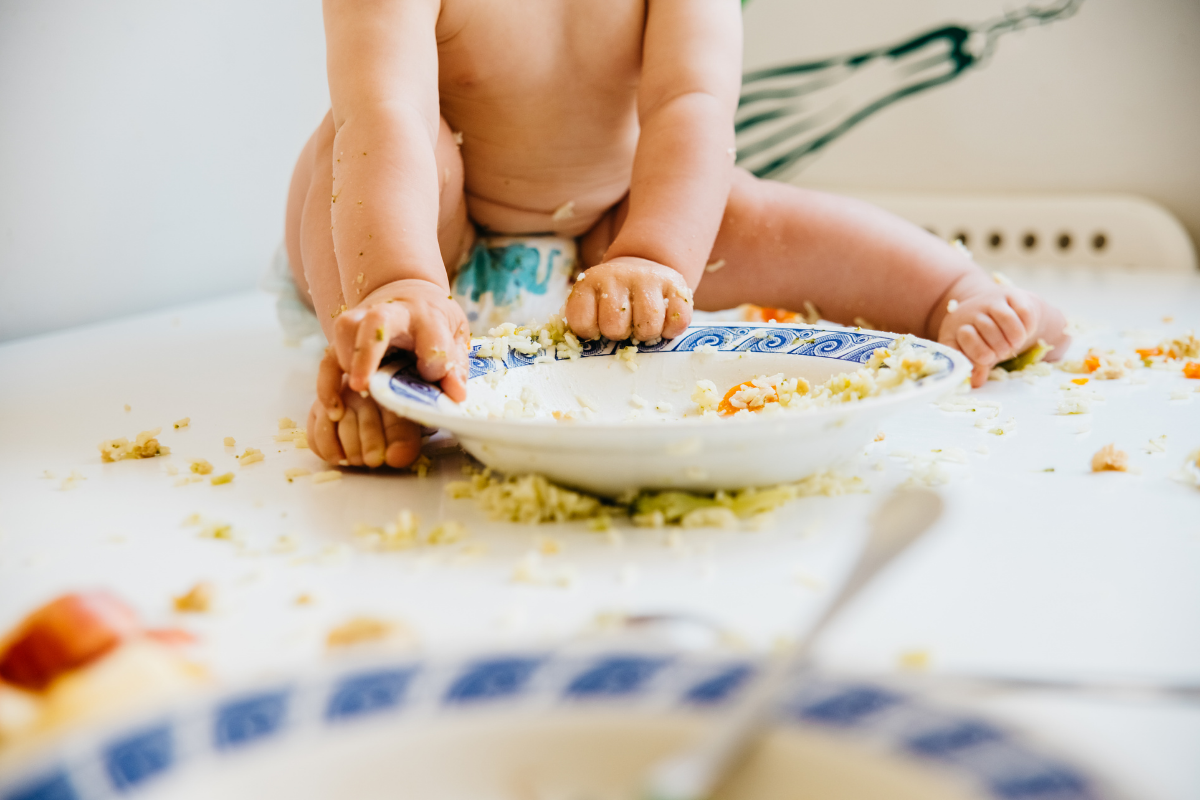
The 3 AM Reality: Organic Mess Containment Failure
There's a specific kind of dread that hits when the Asset transitions from purees to solids. It's not just the food itself; it's the sheer kinetic energy of a small human determined to distribute every last crumb and dollop across a three-meter radius. Standard issue bibs fold under the pressure. We’ve seen enough operators end up covered in half a meal, scrubbing down a high chair for twenty minutes, and then doing an unscheduled uniform change for the Asset, all before the first coffee.
Operational Protocols: Zero-Fumble Feeding Containment
Our goal isn't just to catch food; it's to contain the splash zone, minimise surface contact, and reduce clean-up time. We’ve logged countless hours in the field, cleaning up the aftermath of what we call 'Explosive Ordnance Disposal' meals. These protocols are the result of those frontline failures.
Protocol 01: Full-Spectrum Spill Protection
The Strategy: Most standard bibs are like trying to stop a tidal wave with a tea towel. They offer minimal coverage, leaving critical areas exposed to projectile foodstuffs. We found ourselves constantly wiping down shoulders, laps, and even the wall behind the high chair.
The Action: Prioritise bibs with maximum surface area. Look for options that extend not just across the chest but also down the lap and, ideally, offer some form of sleeve protection. Bigger is always better when dealing with a motivated toddler.
Protocol 02: The Unbreakable Food Trap
The Strategy: A bib's food-catching pocket is its primary defence. Yet, so many are flimsy, collapse under the weight of a single rogue pea, or sit too flat against the Asset's belly, letting everything slide straight through to the floor. We’ve spent too many mornings on our hands and knees, sweeping up what should have been contained.
The Action: Inspect the pocket's structural integrity. It needs to be rigid enough to stay open, deep enough to hold a decent payload, and have a clear, unobstructed entry point. Our team discovered that if you can't easily push a fist into the pocket and have it hold its shape, it's going to fail you when a handful of yoghurt comes tumbling down. Aim for silicone pockets that maintain their form.
Protocol 03: Asset-Proof Fastening System
The Strategy: The moment your infant gains fine motor skills, the bib becomes a challenge to be conquered. Weak velcro or easily undone snaps lead to mid-meal escapes, turning an already messy operation into a complete free-for-all. We've witnessed the swift, silent removal of a bib, followed by an immediate hands-in-bowl manoeuvre, leaving us scrambling.
The Action: Test the neck closure for security and ease of use. Adjustable snaps are generally superior to velcro, which loses its grip over time and is often easier for small hands to pull apart. The goal is a secure fit that isn’t uncomfortable for the child but requires genuine Operator intervention to remove.
Approved Hardware Recon: Top 3 Solutions
If your current setup is failing, deployment of verified hardware is required. Here is the field data on the top three solutions currently on the Australian market for this exact scenario.
| Hardware Unit (Brand/Model) | Mechanical Utility Benefit | Tactical Command Link |
|---|---|---|
| Mushie Silicone Bib | Flexible, durable silicone with a deep, structured pocket for effective food containment and easy wipe-clean. | Deploy Mushie Silicone Bib |
| Bumkins SuperBib | Lightweight, waterproof, and stain-resistant fabric offering wide chest and lap coverage, quick to dry. | Deploy Bumkins SuperBib |
| Bibado Coverall Weaning Bib | Full-body and highchair tray coverage with a unique design that attaches to the high chair, creating a complete barrier. | Deploy Bibado Coverall Weaning Bib |
Frequently Asked Questions (Sector Intel)
Which bib materials are easiest to clean after a messy meal?
Silicone bibs are generally the easiest to clean. They wipe down effortlessly and are dishwasher safe, preventing food from getting trapped in fabric fibres. Waterproof fabric bibs are also good, but may require a rinse and hang-dry.
How do I stop my baby from pulling their bib off during feeding?
Ensure the bib has a secure, adjustable closure, preferably snaps rather than velcro. A snug fit around the neck (without being too tight) makes it harder for small hands to grab and pull. Distraction with a toy or food can also buy you critical seconds.
Are full-sleeve bibs really necessary for messy eaters?
For truly messy eaters, particularly during early solids or self-feeding phases, full-sleeve bibs significantly reduce laundry load. They prevent food from coating sleeves and wrists, which are common target zones for smears and sticky residue.
TRANSPARENCY PROTOCOL: To maintain absolute intelligence integrity and fund ongoing field research, some links in this protocol manual are tracked utility links. If you deploy gear through these parameters, the manufacturer routes a small processing kickback to DaddyDo Command at zero additional cost to your unit. Full transparency, zero fumble.
Share:
Hospital Bag Packing: Dad Deployment Kit