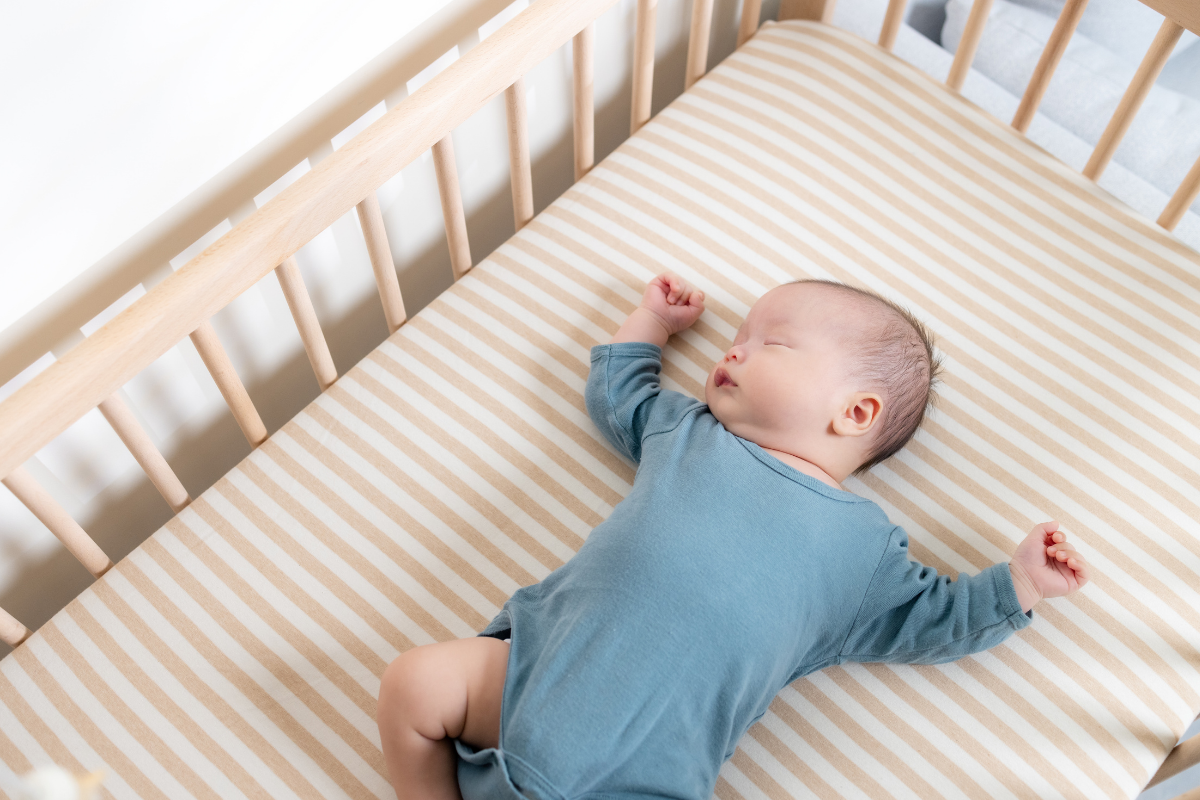
The 3 AM Reality: Sleep Safety Standards
Navigating Australia's safe sleep guidelines feels like deciphering a cryptic roadmap while running on two hours of sleep. The rules are clear, but translating them into real-world practice without tripping over furniture or causing a system overload is where the real mission begins. We've seen our own systems glitch when faced with space constraints or conflicting advice, leading to that gut-wrenching feeling of uncertainty at 3 AM.
Operational Protocols: Establishing a Stable Sleep Environment
Implementing these protocols requires a tactical adjustment to your routine and environment, not just buying more gear. We're talking about clearing the friction points that lead to sleep disruption and ensuring the Asset's integrity.
-
Protocol 01: The Crib Compliance Check
The Strategy: Ensure the Asset's sleeping surface meets strict Australian Standard requirements for firmness and clearance.
The Failure State: Standing over the cot at 2 AM, wondering if that slightly saggy mattress is a ticking time bomb for breathing obstruction, or if that plush toy left behind by an innocent Cadet is too close to the Asset's face.
The Action: Clear the sleeping surface of any loose bedding, bumpers, and soft toys. Push down on the mattress; it should be firm and not dip significantly under pressure.
-
Protocol 02: The Strategic Swaddle Calibration
The Strategy: Utilise swaddling or sleep sacks that allow for hip-healthy movement and prevent overheating.
The Failure State: Waking up to find the Asset has completely unraveled a tightly wound standard wrap, leaving them exposed and cold, or worse, the wrap is too tight around their hips, causing a parent-level breakdown.
The Action: Ensure the swaddle or sleep sack is snug around the arms but loose around the hips, allowing for a natural leg position. Avoid wrapping directly over clothing that is already thick.
-
Protocol 03: The Environmental Control Unit (ECU) Setup
The Strategy: Maintain a consistent, safe temperature range for the Asset's sleeping area.
The Failure State: The frantic 4 AM dash to add or remove layers because you're unsure if the room is too hot or too cold, leading to a sleep cycle breakdown for the entire unit.
The Action: Aim for a room temperature between 18-22 degrees Celsius. Use a room thermometer if unsure, and dress the Asset in one extra layer than you are comfortable wearing.
-
Protocol 04: The Face-Up Deployment Mandate
The Strategy: Always place the Asset on their back for sleep, without exception.
The Failure State: The late-night panic when you discover the Asset has rolled onto their stomach, and you're fumbling to flip them back, questioning if they can roll themselves back onto their face.
The Action: Place the Asset on their back to start. If they are capable of independent rolling (usually around 4-6 months), you can allow them to remain on their stomach if they roll there themselves, but always start them on their back.
Deployment Phase Matrix: Tactical Progression
When gear isn't the solution, modifying your routine timeline and environmental variables is. Execute these process adjustments systematically to re-establish environmental control.
| Phase / Timeline | Target Objective | Immediate Countermeasures (Dad Ops Protocol) |
|---|---|---|
| Phase 01: Pre-Deployment Briefing (Before Birth) | Establish understanding of AS/NZS ISO 8856-2015 standard for infant sleep products. | Read the official guidelines from Red Nose Australia. Familiarise yourself with the safe sleeping environment blueprint. |
| Phase 02: Initial Deployment (Newborn - 3 Months) | Consistent 'back-to-sleep' positioning, firm surface, and clear sleeping zone. | Place Asset on back for every sleep. Clear cot of all loose items. Monitor room temperature to prevent overheating. Use firm, fitted sheets only. |
| Phase 03: Operational Autonomy (4-6 Months+) | Adapt to Asset's developing mobility while maintaining sleep safety. | If Asset rolls independently, allow them to remain in their new position. Ensure sleep sack/swaddle is hip-safe and does not restrict movement. Continue face-up start for sleep. |
Frequently Asked Questions (Sector Intel)
What are the main Australian safe sleep guidelines?
The core Australian guidelines focus on placing the baby on their back to sleep, on a firm, flat surface, in a clear sleeping space free from soft bedding, toys, and loose items. Maintaining a safe room temperature is also critical.
I’m worried about my baby rolling over. What should I do?
For the first few months, always start your baby on their back. Once they can consistently roll from back to tummy and tummy to back independently, it’s generally okay to let them stay in whichever position they settle in. The key is their own developed mobility.
Is it okay to use a bassinet or a co-sleeper?
Yes, provided it meets the Australian Standards for infant sleep surfaces and is used correctly. Ensure it's firm, flat, and free of any loose bedding. Never place an item that isn't specifically designed for infant sleep into a bassinet or co-sleeper. Regular checks are key.
Share:
Operational Logistics: Feeding Schedules
The 45-Minute Sleep Cycle: Survival Guide