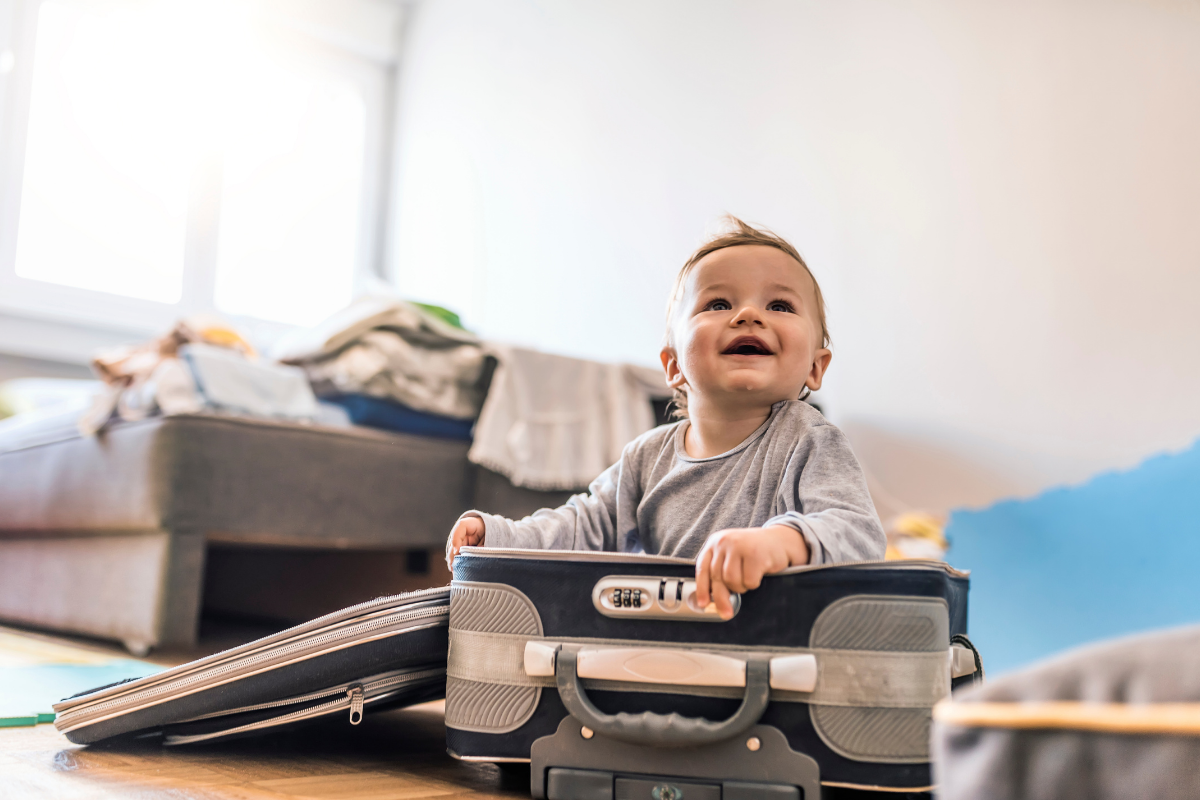
The 3 AM Reality: Air Transit Sensory Overload
Plane travel with an Asset or Cadet is not a holiday. It is a highly compressed, high-stakes operational deployment where all your usual environmental controls go out the window. The constant drone, the cabin light flickers, the confined space. We've been there, pinned in a middle seat, trying to calm a crying Asset while the bloke next to us gives you the 'death stare.' You reckon you're ready, but the sheer sensory assault on a tiny human is often the biggest friction point.
Operational Protocols: Zero-Fumble Flight Tactics
Successful air transit is about proactive environmental management and tactical gear deployment. Eliminate user error, secure the Asset, and aim for maximum sleep integrity.
Protocol 01: The Micro-Environment Buildout
The Strategy: Create a portable, controlled sleep environment for the baby, immune to cabin disruptions and unexpected light changes. You want to replicate their cot conditions as much as possible, in miniature.
The Action: Deploy a lightweight, breathable cover over the pram or carrier once settled. Combine this with a portable white noise unit, set to a familiar frequency. This isolates the baby from visual and auditory chaos. On a flight to Brisbane, our portable white noise machine, even at low volume, was the only thing that cut through the engine hum enough to get the baby to settle. I’d tried shushing, singing, but that consistent hum was the only thing that worked. Zero technique required.
Protocol 02: Cadet Containment & Diversion
The Strategy: Manage Cadet energy levels and engagement within a restricted footprint. Avoid the 'cabin runner' scenario at all costs. Anticipate boredom and have phased entertainment ready to deploy.
The Action: Pack a dedicated 'Ops Pack' for the toddler. This isn't just toys; it's a series of small, novel, low-mess activities. Think sticker books, pipe cleaners, small interlocking blocks (not tiny ones you'll lose), and an uncharged tablet with pre-downloaded content for emergency deploys. Our eldest, then a Cadet, once tried to scale the seat in front of us on a flight back from Bali. I spent 40 minutes with a death grip on his ankle, just to keep him from bothering other passengers. We learned to have a new, unopened toy ready for every hour of flight time after that. The novelty factor is your friend.
Protocol 03: Nappy Change Manoeuvre
The Strategy: Execute nappy changes with maximum efficiency and minimal contact with the aircraft's notoriously compact and potentially unsanitary facilities. Speed and contained mess are paramount.
The Action: Prepare a 'mini nappy kit' within your main nappy bag. This includes two nappies, a small packet of wipes, a nappy sack, and a changing mat. Grab this one-handed, hit the tiny aircraft loo, and get in and out like a covert operative. A pre-packed, grab-and-go kit is non-negotiable for zero fumbles in that confined space.
Approved Hardware Recon: Top 3 Solutions
If your current setup is failing, deployment of verified hardware is required. Here is the field data on the top three solutions currently on the Australian market for this exact scenario.
| Hardware Unit (Brand/Model) | Mechanical Utility Benefit | Tactical Command Link |
|---|---|---|
| Hatch Rest Go Portable White Noise Machine | Delivers consistent, soothing audio cues via internal rechargeable battery, effectively masking cabin noise. | Deploy Hatch Rest Go |
| Babyzen YOYO2 Stroller | Folds into a compact, carry-on compliant package (check airline specs), simplifying airport navigation and boarding. | Deploy Babyzen YOYO2 |
| Ergobaby Omni 360 Carrier | Distributes Asset weight evenly for hands-free mobility through terminals and during security checks. | Deploy Ergobaby Omni 360 |
Frequently Asked Questions (Sector Intel)
Can you bring a car seat on a plane in Australia?
Yes, but check your specific airline's policy for approved models and installation requirements. Most require the seat to be certified for aircraft use and installed in a window seat to avoid blocking evacuation paths. It’s often more hassle than it’s worth unless you've purchased a dedicated seat for the Asset.
What's the best way to manage ear pressure for a baby on a flight?
Encourage swallowing during takeoff and landing. For babies, this means feeding them a bottle or breastfeeding. For toddlers, a dummy or a chewy snack can help. The act of swallowing equalises the pressure in their ears, reducing discomfort. We’ve found a dummy to be a reliable solution; it’s a simple mechanical action that almost always gets the job done.
How do I get my baby to sleep on a plane?
Focus on replicating their usual sleep routine as much as possible. This includes feeding, nappy change, a sleep cue (like a portable white noise machine), and a dark, confined space (like a pram with a cover). Consistency is key. Our team knows that trying to force sleep against their internal clock is a losing battle. Stick to the routine and make the environment as familiar as possible.
TRANSPARENCY PROTOCOL: To maintain absolute intelligence integrity and fund ongoing field research, some links in this protocol manual are tracked utility links. If you deploy gear through these parameters, the manufacturer routes a small processing kickback to DaddyDo Command at zero additional cost to your unit. Full transparency, zero fumble.
Share:
Climate Control: Portable Pram Fan Specs
Battery Stress Test: Travel Monitor Intel